From predicting immunity to designing new drugs
From predicting immunity to designing new drugs
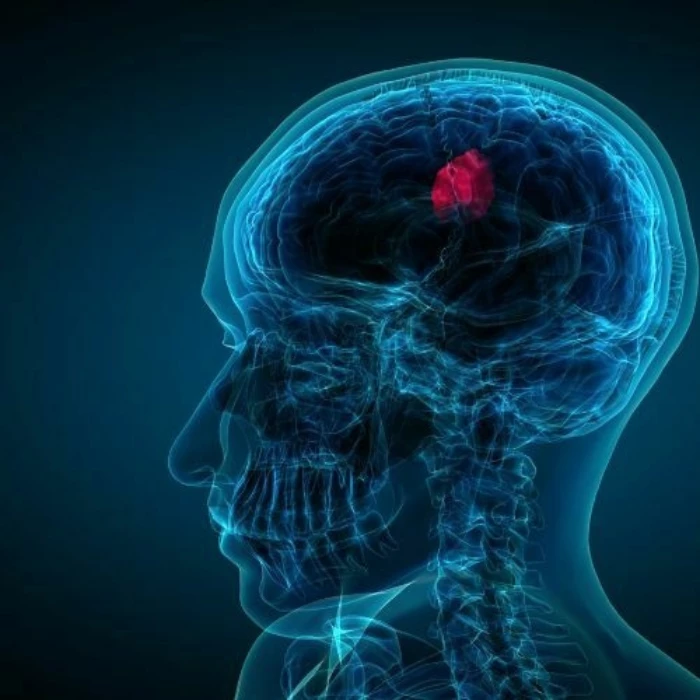
Inside all of us, cancer cells are constantly forming. Thankfully our bodies are equipped to seek and destroy them. We have special immune cells called T cells that have detectors designed to find specific triggers on the surface of cancer cells and then destroy them. But sometimes those cancer cells are able to fight back and hide from our immune system, resulting in cancers that grow and spread.
Global advances in cancer research mean that now when this happens, there are modern immunotherapy drugs to give our body a helping hand to seek and destroy cancer cells. These treatments include a family of drugs known as ‘checkpoint inhibitors’ that target the interaction between triggers on the outside of the cancer cells (in this case melanoma) and the detectors on our T cells. For 30% of the melanoma patients who are given these drugs, they work just like the escape path lighting on a plane, pointing the immune system towards the melanoma cells so it can destroy them. But sadly for 70% of people these drugs cause severe side effects, their cancer continues to grow and spread, and tens of thousands of health dollars are wasted.
CRTNZ’s role is seeding great discoveries
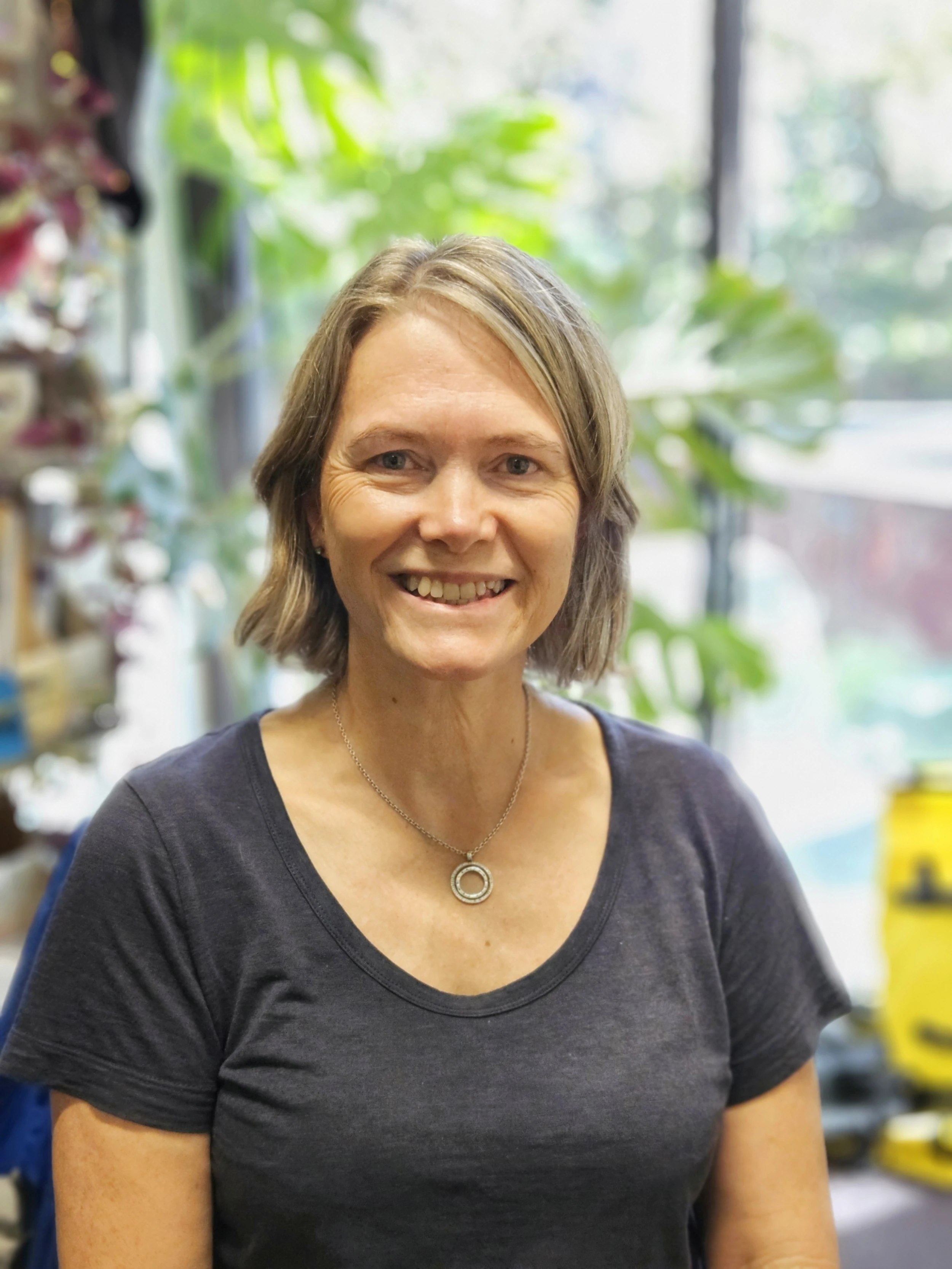
In 2021 Dr Hilary Sheppard approached the Cancer Research Trust with a bold idea. She wanted to develop a model that mimicked the complexity of a patient’s immune system. She knew that if she could recreate what’s happening inside our immune system in the lab, she would be well on the way to predicting which patients would respond well to checkpoint inhibitor drugs.
Thanks to you, our donors, the Trust was able to back the idea and Sheppard got to work fine-tuning her model. Sheppard says “Funding from the Cancer Research Trust was pivotal. It meant I could build a better model in the lab to mimic what happens in the body when a patient is given these checkpoint inhibitor drugs”. Our funding gave her the chance to prove her idea had merit and she went on to secure nearly $1million in government funding from the then-Marsden Fund to continue this work in-depth.
Research doesn’t always go in a straight line
In the process of creating a model of how cancer cells fight back when targeted by the immune system, Sheppard saw a new way to look at how we alert the immune system to target the cancer. Instead of simply predicting the 70% of patients that won’t benefit from checkpoint inihibitors, she’s on a mission to help them. Going in a new and even bolder direction, Sheppard is now looking to develop a new treatment. Her research team is developing ways to arm the body’s own immune cells with tailored knowledge so it can target cancer without causing severe side effects.