Improving hospice care for patients with life-limiting illness, including advanced cancer
Improving hospice care for patients with life-limiting illness, including advanced cancer
Research is helping us take the best of the lessons from the pandemic, and ensuring we don’t repeat the mistakes.
The COVID-19 pandemic changed so much about how we lived, worked, attended school, and even how we saw the GP. During the pandemic there was real concern about cancer patients with weakened immune systems being at increased risk of contracting COVID-19 and becoming very sick - especially before the arrival of vaccines.
For advanced cancer patients in hospice care, that meant tough visiting policies, scaled back community services and telehealth consultations. Dr Rosemary Frey and her team of collaborators from the University of Auckland set out to understand what worked and what didn’t – to make sure we learned the lessons from the response to the COVID-19 pandemic.
Dr Frey’s team began by surveying representatives from hospices, GPs, district nurses, community groups and non-governmental organisations to understand what problems they faced in delivering palliative care during the pandemic, and what solutions they found. The researchers documented the effects of rigid visitor policies, which led to distress and grief for patients and whānau. They also found positives, such as rapid uptake of digital resources and more collaboration amongst service providers. The research also helped to identify some clear gaps in workforce support such as aged care nurse training in palliative care.
Learning from the past to shape the future
Armed with this information, the research team did a deep-dive into how the lessons of the pandemic could be embedded into policy and practice, and rolled out in palliative care services. They found big benefits from increased use of tools such as telehealth and increasing phone/text messaging contact. The research also found benefits when organisations work together to help make services seamless (e.g. joint policies), and benefits from streamlined communication so patients and whānau are not overwhelmed with multiple messages. Dr Frey’s team also found that some GPs are keeping up the ‘red zone’ approach to help them reduce the spread of infectious diseases to vulnerable patients such as people undergoing cancer treatment – messages that many of us experience when booking appointments and on arrival at our local GP clinics. The findings also suggest ways to grow individual, community and indigenous capacity to face future pandemics – including a pandemic disaster plan that’s coordinated across iwi, hapū, Marae, and Hospice.
Thanks to our support - and the generosity of our donors - Dr Frey’s research means we can build on the positive changes that came about during the pandemic to improve care for future cancer patients, their families, and palliative care service providers.
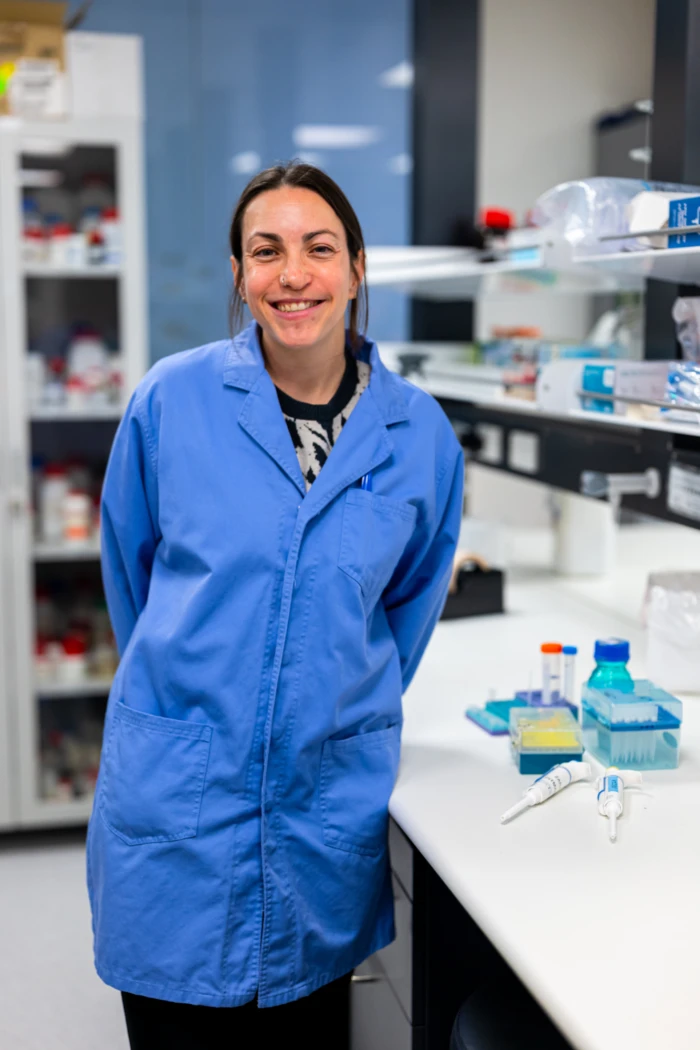
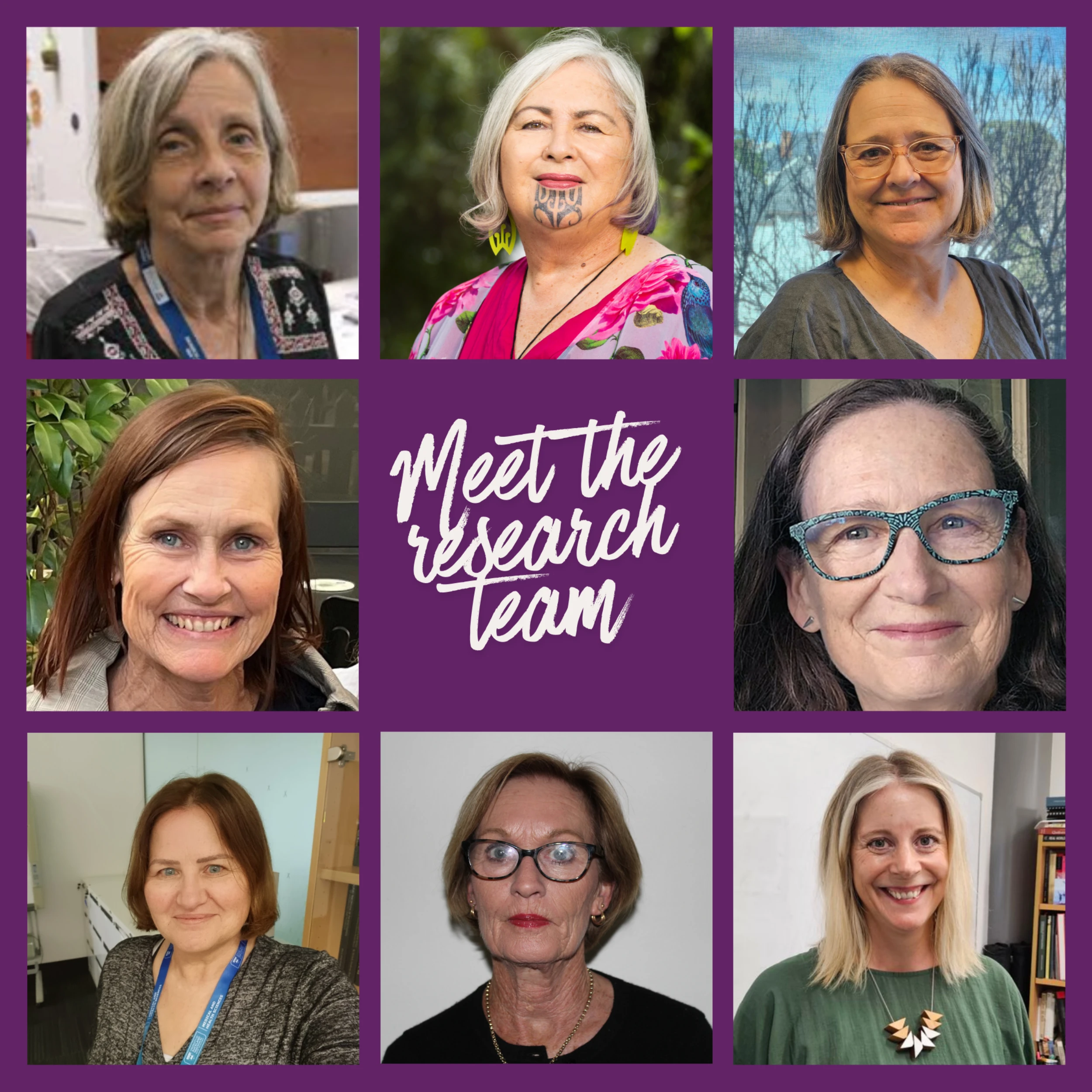
Pictured researchers, clockwise from top left: Dr Rosemary Frey, Dr Tess Moeke-Maxwell, Associate Professor Jackie Robinson, Dr Lisa Williams, Professor Merryn Gott, Jenny Thurston, Dr Deborah Raphael, Erica Munro.