Researcher Case Study - Sarah Sczelecki
Researcher Case Study - Sarah Sczelecki
Detecting ovarian cancer earlier
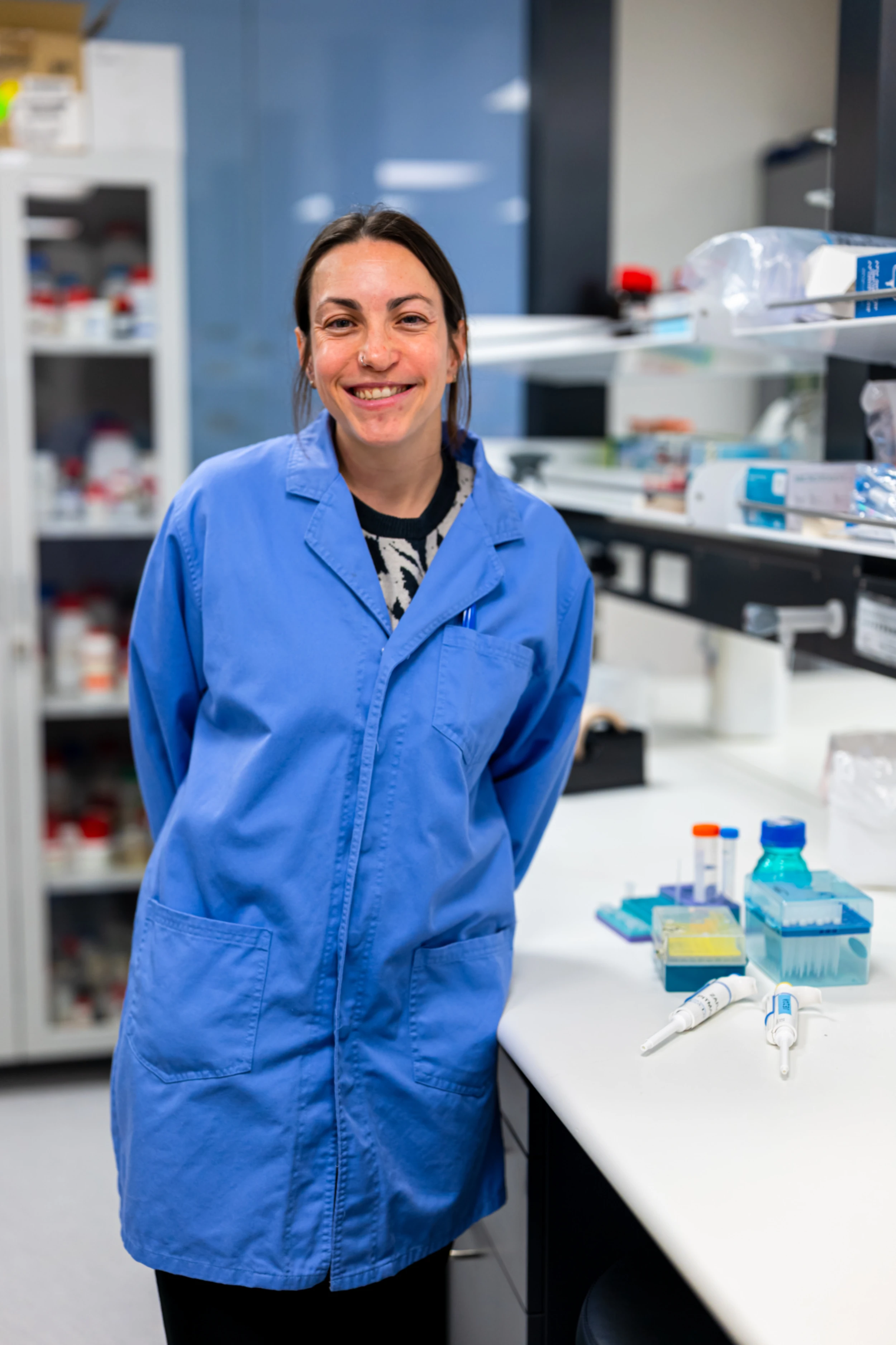
Sarah Sczelecki is exploring how earlier detection could improve treatment options and outcomes for women with ovarian cancer.
Sarah is a Senior Research Fellow at Te Herenga Waka Victoria University of Wellington. After completing a PhD in biomedical science, she continued her research into ovarian cancer.
The disease is often diagnosed late, when it can be harder to treat, contributing to its high mortality rate. Sarah’s research explores potential ways to detect ovarian cancer earlier so there may be more opportunities for treatment.
Women’s health research is often underfunded and overlooked which is one reason Sarah chose this field. She hopes her work will help improve outcomes for women in Aotearoa and beyond.
Watch the full video below to hear Sarah talk about her research, her path into science, and how the support from CRTNZ has helped her work progress.
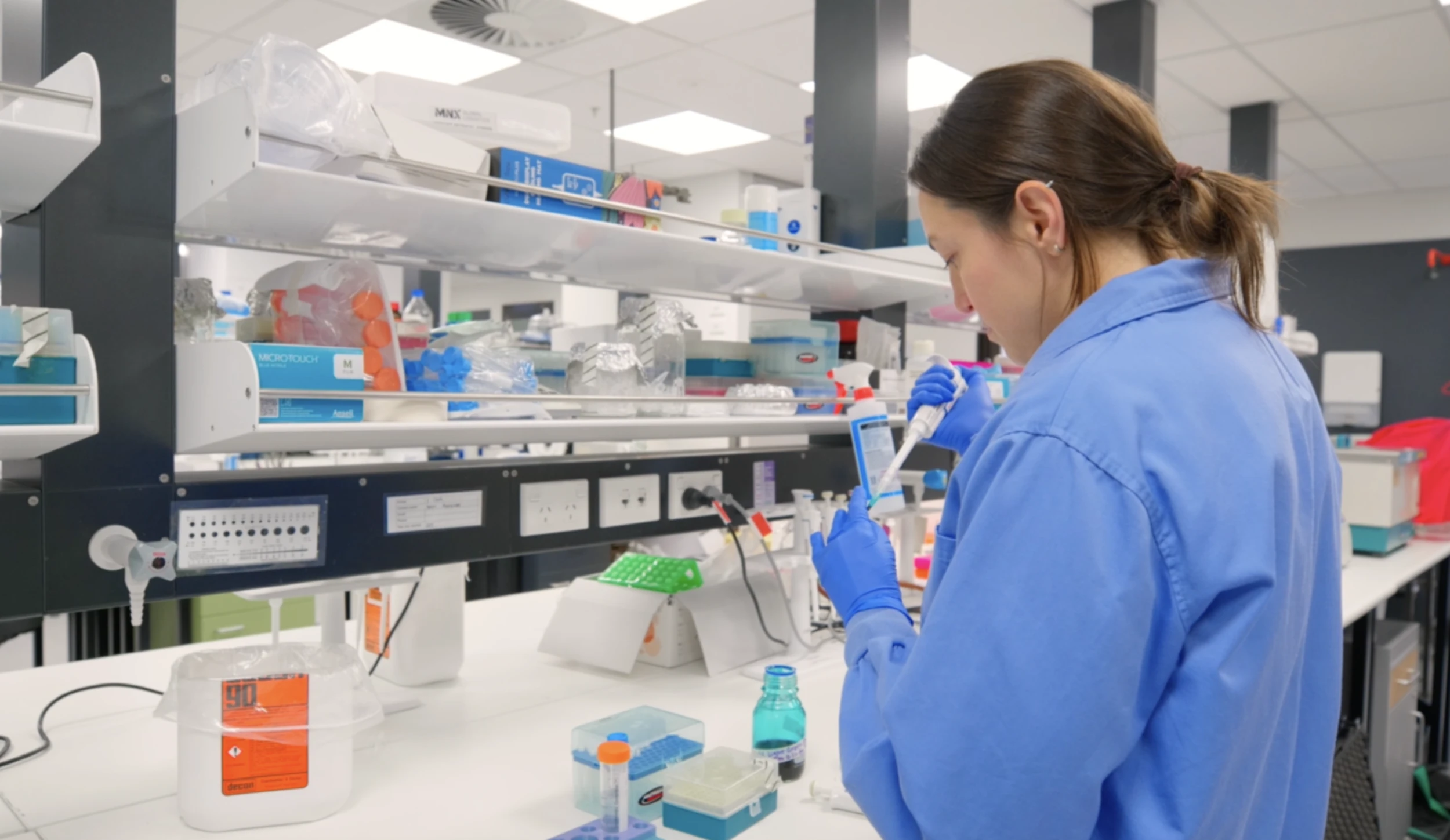
Ovarian cancer can be difficult to recognise, and we still don’t fully understand how it begins. It’s also highly varied; there may not be one explanation, or one set of clues, that fits every case.
Sarah is looking for patterns in the data like signals in blood or other samples that could help researchers identify ovarian cancer earlier and, one day, contribute to a screening test. That goal is still a long way off, but every useful signal could bring us closer to understanding the disease.
In the meantime, Sarah hopes her work can help people be more aware of possible symptoms and more confident about speaking up and advocating for themselves when something doesn’t feel right.
Sarah loved science at school, which led her to study it at university and complete a master’s degree. After moving to New Zealand, she decided to begin a PhD with the support of her academic supervisor.
"If you'd asked me 20 years ago if I saw myself as a senior research fellow doing cancer research, I'm not sure I would have seen myself here; but I am so happy that I've ended up here."
Sarah’s connection with CRTNZ began when she applied for a funding grant. She was later awarded a travel grant to attend the Society for the Study of Reproduction in the United States, where reproductive cancers had a significant place on the programme.
At the conference, Sarah presented her research and shared work being done here in New Zealand. The opportunity helped her meet researchers in the field, build collaborations, and form connections she can now draw on for support.
Sarah values the feedback CRTNZ provides to grant applicants. Applying for funding is a rigorous process, and thoughtful feedback can help early career researchers (someone 0-5 years post PhD) strengthen their research programmes and make their work more robust.
"I love discovery, finding new things, and knowing that I am helping people. Being a researcher, I love that I am learning new things and trying new things each day."
With government priorities shifting away from this research, Sarah says support for CRTNZ is crucial. Donations and grants help researchers continue their important work. She explained that there are not a lot of academic full-time positions anymore, so many early career researchers are on what's called 'soft money', meaning their salary is procured from charitable donations or government donations on a fixed term contract.
Watch the full video above to learn more about Sarah's research or see below to learn more about the Cancer Research Trust New Zealand, other research we fund, and how you can support cancer research in New Zealand.
"Without the support of donations and grants, researchers would not be able to do their work in research. As researchers, we love to do it and don't want to give up."
I just want to give a sincere thank you to all the donors. Without your donations, without this money, I wouldn't be here doing this job and helping people.