Researcher Case Study: Nathaniel Dasyam
Researcher Case Study: Nathaniel Dasyam
Building Better CAR T-cell therapy
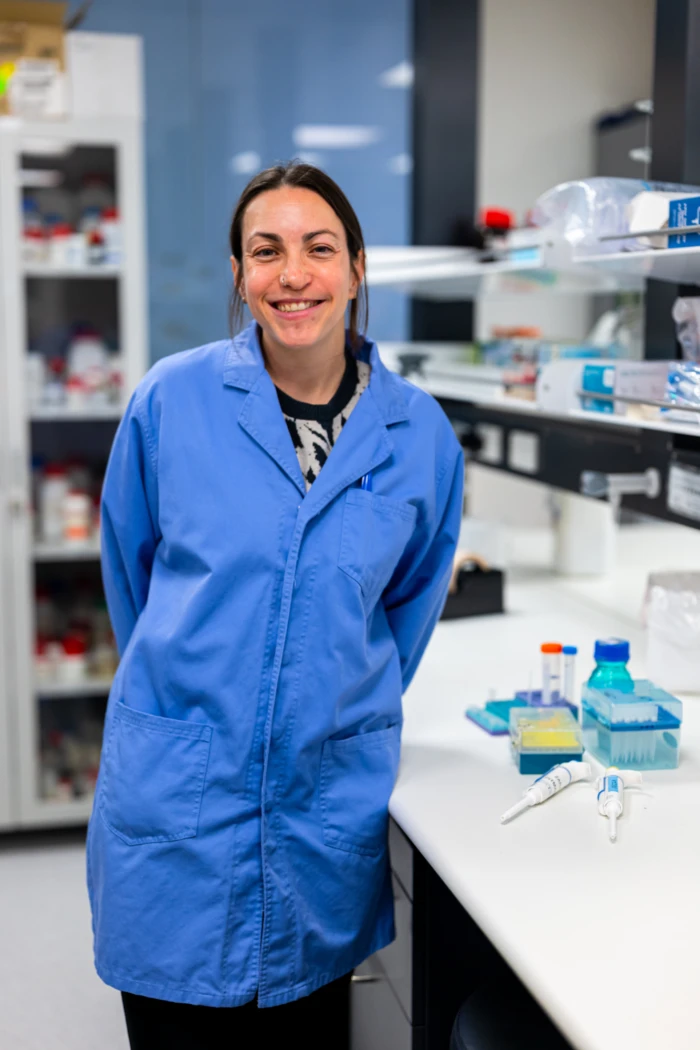
What if some immune cells were built to run marathons, and others to sprint when they need to? This is the question Dr. Nathaniel Dasyam is pursuing at the Malaghan Institute, where his work could help more people benefit from one of the most promising treatments in cancer care.
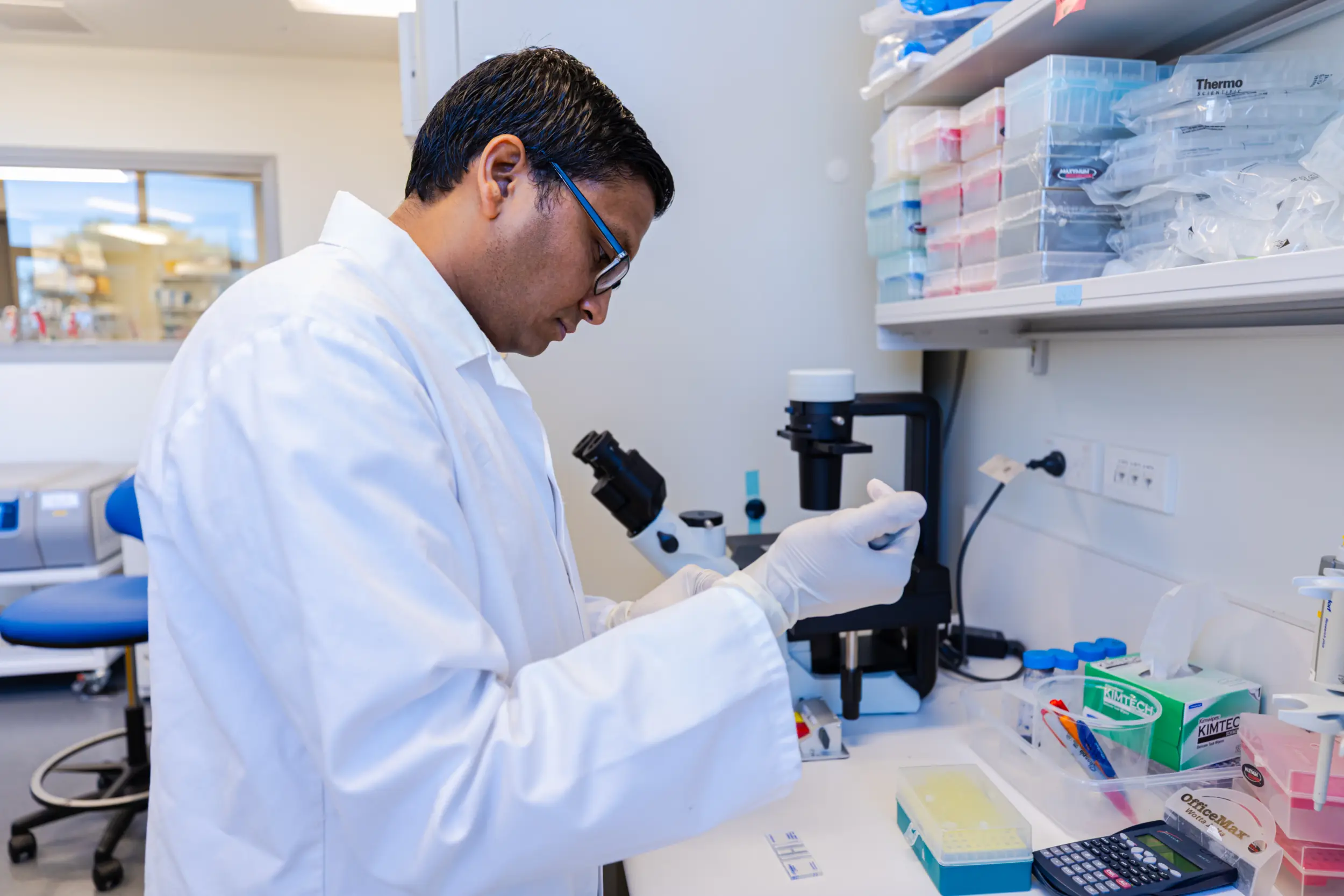
Nathaniel is a postdoctoral researcher in the Weinkove Laboratory, part of the Malaghan Institute's CAR T-cell therapy programme. CAR T-cell therapy is an advanced form of immunotherapy. It involves genetically modifying a patient's own white blood cells, known as T cells, so that they can seek out and destroy cancer cells. This therapy is becoming the standard of care around the world.
However, not every patient receives the same benefit. Like people, T cells can become exhausted over time. Nathaniel's research examines how to make certain CAR T-cells more robust, so that they may be used to treat other cancers.
Watch the full video below to understand Nathaniel's research, his experience, and how the support from CRTNZ has helped his work progress.
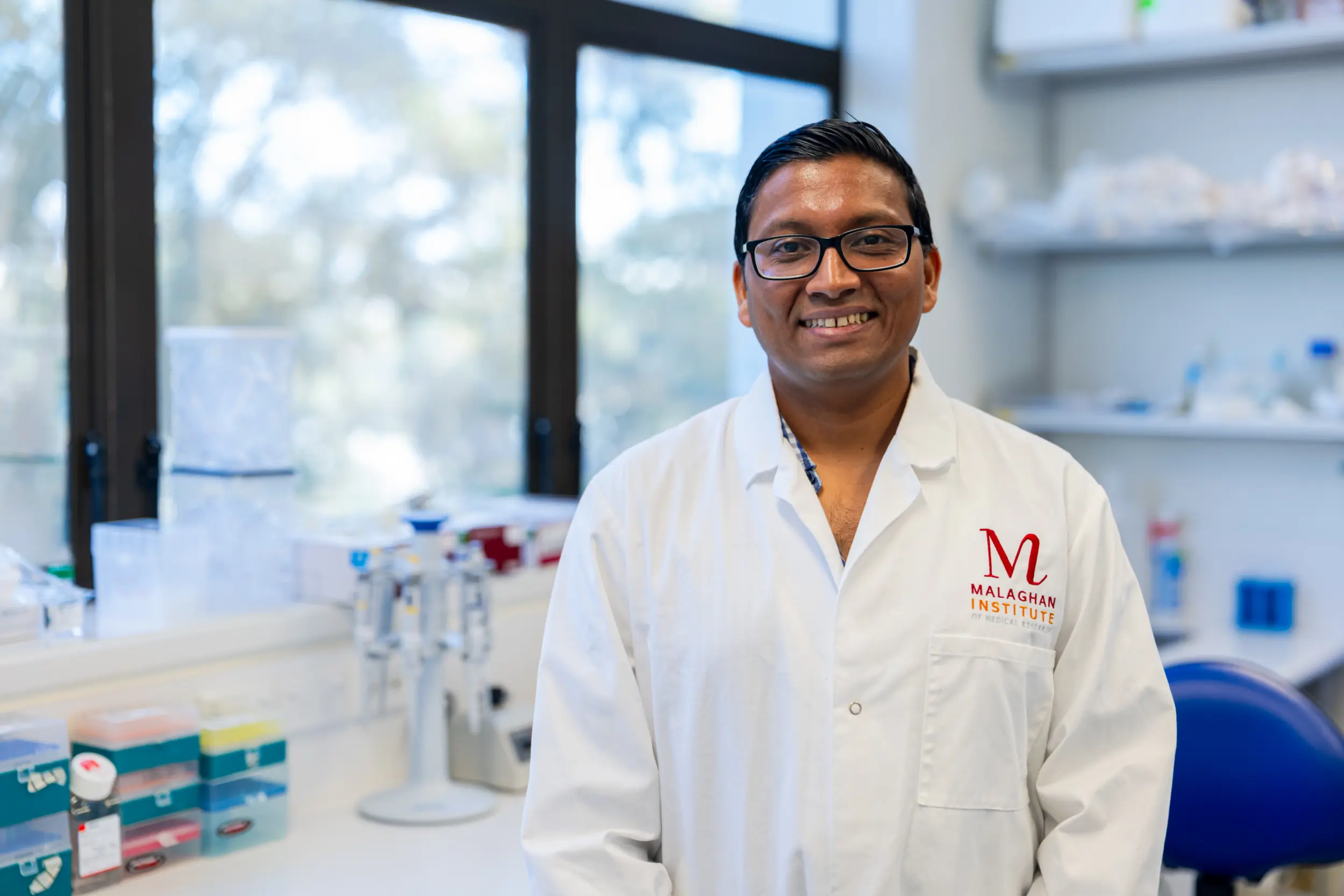
Nathaniel received funding for this project from CRTNZ. Using our updated portal, he was able to update his application section by section and receive feedback from our expert team to aid his application.
In the medical research and science field, there is a range of funding available from small to larger grants. Even small grants can be an excellent pathway to building your foundational research which can later be used as leverage to get larger grants.
"Funding is so crucial for science, it's what drives our work." - Nathaniel
Doing research in a small country like New Zealand can present many challenges but also many unique opportunities. In general, you are no more than two degrees of separation from any other researcher - meaning you get to know the experts in your field and can easily call them up with any questions you come across.
Despite its smaller size, there is innovative cancer research happening here in Aotearoa.
"We're a tight knit community and it's really great that we can collaborate a lot easier and make things move faster. Being able to contribute and give back to the country I grew up in, it means a lot."
When you’re doing foundational or discovery research, there is a lot of risk involved, so it can be more difficult to obtain funding. But, if you’re able to have something translational (meaning turning scientific discoveries into practical applications), you’re then able to take that research and build on it, whether that means building a biotech company or other applications. That brings value to the country and industry and it is all part of the research journey.
“You can’t get translational research without foundational research. Being able to support the full research journey is very important. We can’t just jump to the result.”
Nathaniel’s research allows us to better understand how CAR T-cell therapy works - and how it doesn’t work in the areas where it should be. This knowledge allows us to design a better approach and continue to improve the therapy.
Current clinical trials are focused on a specific type of B-cell cancer. There are trickier cancers out there with solid tumours that are harder to treat, but understanding how these therapies work in a blood cancer setting can hopefully help us design different versions of CAR T-cells to tackle other cancers too.
“Better understanding is the only way we can design better therapies.”
An important thing to understand about cancer research is it's not just one person trying to fight it. Nathaniel is quick to recognise that he is just one person, one small cog in the machine of people trying to help improve others’ lives.
Everyone's life is impacted by cancer in some way - whether that be your mother, father, sister, or brother. Funding cancer research gives us an opportunity to make better, more accessible therapies.
“We need to make patients lives' better. I think you need to have that North Star as a researcher, and people who are going through cancer treatment need to have that reassurance that there are researchers out there working to improve their lives.”
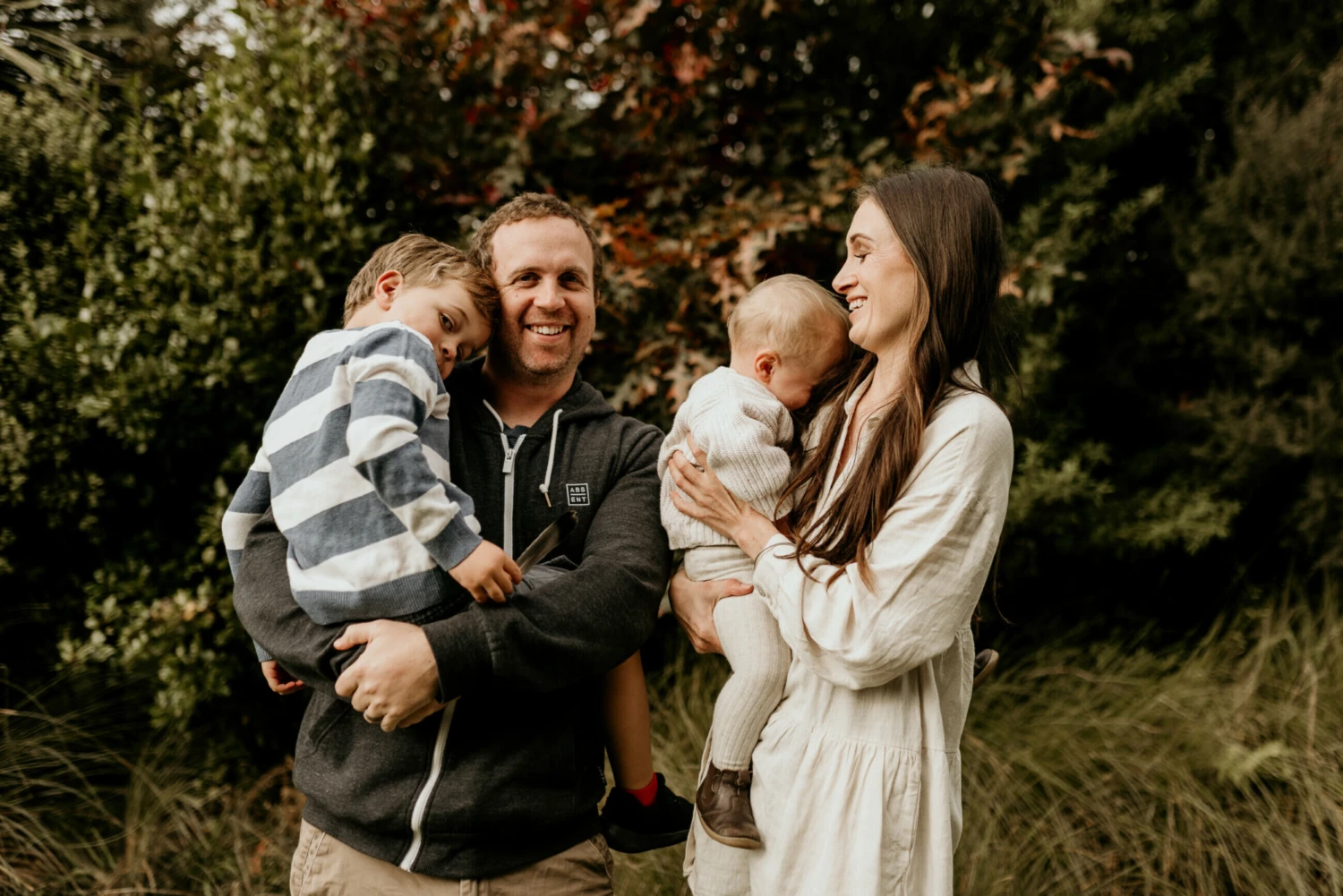
“At the end of the day, funding cancer research gives more Christmases, more holidays, just more time with your family. That's why you'd want to fund cancer research.”